Big dog, little dog, what's the difference?
Published in Cats & Dogs News
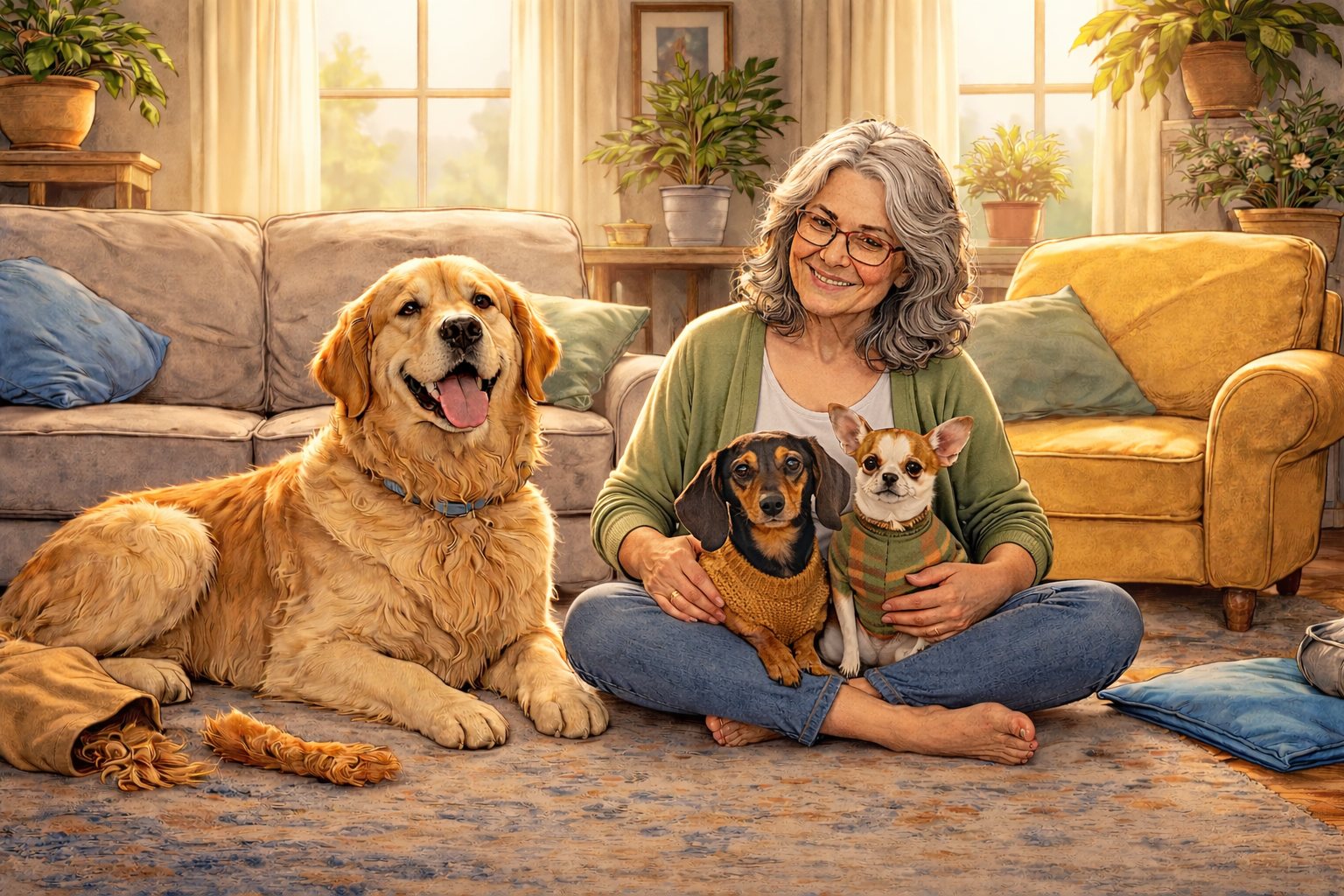
Big dogs and little dogs share the same designation — “man’s best friend” — but anyone who has lived with both knows they operate on entirely different wavelengths.
The divide isn’t just about size. It’s about expectations, behavior, physical presence and the way humans respond to them. A 10-pound dog and a 70-pound dog may both be loyal, affectionate companions, but they move through the world — and through a household — in fundamentally different ways.
Understanding those differences can help owners set better expectations, avoid frustration and appreciate what each type of dog brings to daily life.
Different bodies, different rules
The most obvious distinction between big and small dogs is physical, but that difference shapes everything else.
Large dogs occupy space in a way that cannot be ignored. They stretch across couches, block hallways and rest their heads on tables without meaning to. Their movements are slower but more impactful — a wagging tail can clear a coffee table, and an enthusiastic greeting can knock over a distracted guest.
Small dogs, by contrast, operate in tighter margins. They slip into corners, curl into compact shapes and can be picked up and repositioned with ease. Their physical presence is lighter, but often more constant. A small dog is just as likely to be underfoot as beside you, quietly inserting itself into every moment.
Because of these differences, owners tend to adapt their homes and habits accordingly. Large dog households often become organized around space and durability, while small dog households revolve around accessibility and proximity.
Behavior and perception
One of the most interesting divides between big and small dogs is not how they behave, but how their behavior is interpreted.
A large dog that jumps on a visitor is often corrected immediately. The same behavior from a small dog may be dismissed as harmless or even amusing. Over time, this creates very different behavioral outcomes.
Big dogs are more likely to be trained early and consistently because the consequences of poor behavior are more serious. A poorly trained large dog can be difficult to manage, so owners tend to invest in structure and discipline.
Small dogs, on the other hand, are often given more leeway. Because they are easier to physically control, owners may tolerate behaviors — barking, jumping, possessiveness — that would be unacceptable in a larger animal. This can lead to what trainers sometimes refer to as “small dog syndrome,” where the dog develops outsized reactions to compensate for its size.
But the difference is not inherent to the dog. It is a reflection of human expectations.
Energy and movement
Energy levels vary widely by breed, but size influences how that energy is expressed.
Large dogs tend to move with purpose. When they run, it is often in bursts — a sprint across a yard, a strong pull on a leash — followed by long stretches of rest. Many large breeds are content with moderate exercise and then settle into a calm, steady presence.
Small dogs often display quicker, more frequent bursts of energy. They dart, pivot and react rapidly to stimuli. Their exercise needs may be met more easily in a confined space, but their alertness and responsiveness can make them feel more active throughout the day.
This difference can shape daily routines. A large dog may require a structured walk or outdoor time, while a small dog may burn off energy through constant movement indoors, punctuated by short walks or play sessions.
The human response
Perhaps the most significant difference between big and small dogs lies in how people relate to them.
Large dogs are often treated with a mix of affection and respect. Their size commands attention, and their behavior carries visible consequences. Owners are more likely to establish boundaries, not out of strictness, but necessity.
Small dogs, by contrast, often elicit a caregiving response similar to that given to infants. They are picked up, carried, spoken to in softer tones and allowed closer physical access. This can create a bond that feels more intimate, but it can also blur boundaries.
These differing responses shape the dog’s experience of the world. A large dog may learn structure and restraint, while a small dog may learn persistence and vocal expression.
Practical considerations
Daily life with a dog is shaped as much by logistics as by personality.
Large dogs require more food, more space and often more financial investment in terms of care. Veterinary costs, grooming and transportation can all scale with size. Travel becomes more complicated, and housing options may be limited by weight restrictions.
Small dogs are generally easier to accommodate. They can be transported more easily, fit into a wider range of living situations and often have lower day-to-day costs. However, they may require more attention in other ways, including dental care and protection from environmental hazards.
Both come with trade-offs, and neither is inherently easier — just different.
Emotional presence
Despite all these differences, both big and small dogs share the same core role: companionship.
Large dogs often provide a sense of grounding. Their weight, warmth and steady presence can be deeply reassuring. Sitting beside a large dog can feel like sharing space with something solid and dependable.
Small dogs offer a different kind of closeness. They are portable companions, easily integrated into daily life, always nearby and often more physically connected to their owners throughout the day.
The emotional bond is not determined by size, but the way it is expressed can feel distinct.
Choosing what fits
The decision between a big dog and a small dog is less about preference and more about compatibility.
Lifestyle, living space, activity level and tolerance for certain behaviors all play a role. A person who enjoys long walks and has ample space may thrive with a large dog. Someone in a smaller home, or who prefers a more constant, close companion, may find a better match in a small dog.
Neither choice is inherently better. Both require commitment, patience and a willingness to adapt.
In the end, the most important factor is not the size of the dog, but the understanding between dog and owner. When expectations align with reality, both big and small dogs can become exactly what people are looking for — not just pets, but deeply integrated parts of everyday life.
========
L. Merritt Calder is a features writer specializing in everyday life, animals and the subtle dynamics of human behavior. His work focuses on the intersection of routine, responsibility and quiet moments of connection.
This article was written, in part, utilizing AI tools.








Comments